
The Nature of Chance in Gambling
Gambling is fundamentally rooted in the concept of chance, where outcomes are often dictated by randomness and probability. This element of luck is particularly prominent in games categorized as games of chance, such as slots and roulette. In these games, players have limited control over the outcomes, which are determined by the laws of probability. Many enjoy exploring options like the best betting sites australia , as the thrill of winning can sometimes feel like a mere stroke of fortune rather than a result of skillful strategy, making the experience both exhilarating and unpredictable.
Take roulette, for instance; the spin of the wheel and the fall of the ball are entirely random events. No amount of strategy or method can influence where the ball lands, reinforcing the idea that luck is the primary factor at play. Even when players apply various betting strategies, the outcome remains reliant on an uncontrollable force: luck. This dependence on chance can often lead to frustration, as players hope for favorable results while recognizing that the odds may not always align with their expectations, creating an emotional rollercoaster that is part of the gambling experience.
The complexity of luck becomes even more apparent when observing how players respond to their fortunes. Some may ride high on winning streaks, believing they have mastered the game, only to be reminded of luck’s capricious nature when downswings occur. This cyclical interaction with luck underscores the essence of gambling, where fortunes can change in a heartbeat. Recognizing that luck can be as unpredictable as it is captivating is key to managing expectations and maintaining a balanced perspective in gambling.
The Importance of Skill in Strategic Games
In stark contrast to games dominated by chance, many gambling activities require a significant level of skill and strategy for players to achieve consistent success. Poker serves as an exemplary illustration, where understanding the game, reading opponents, and making calculated choices have a substantial impact on a player’s likelihood of winning. Unlike roulette, where luck plays a dominant role, poker outcomes are heavily influenced by a player’s skill set, creating a richer, more engaging experience that combines both elements.
For adept players, mastering techniques such as bluffing, calculating pot odds, and analyzing table dynamics can provide a distinct advantage over less experienced opponents. Successful poker players often invest considerable time honing their craft, studying the nuances of the game, and refining strategies that can effectively mitigate luck’s impact. This ability to capitalize on skill fosters an environment where, although luck remains a factor, it becomes less critical in determining overall success, creating a more level playing field.
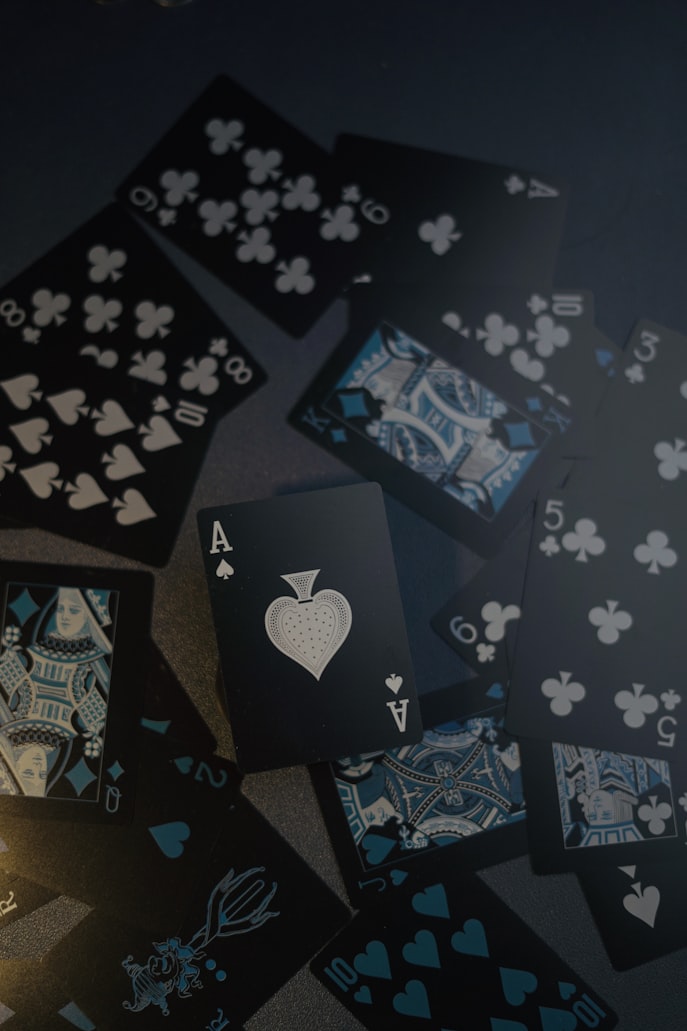
Furthermore, the distinction between skill-based and chance-based games highlights the psychological aspects of gambling. Players who believe they can influence outcomes through skill often derive greater satisfaction from their experiences, even when luck occasionally plays a role. This interplay of chance and strategy transforms skillful gambling into a captivating pursuit where players are continuously motivated to refine their abilities, all while navigating the unpredictable elements inherent in the games they play. Ultimately, the synergistic relationship between luck and skill is what shapes a player’s journey and enhances their comprehension of the gambling landscape.
The Balance Between Luck and Skill
Comprehending the relationship between luck and skill in gambling is crucial for any player aiming to achieve sustainable success. Most gambling activities do not fall strictly into one category or the other; instead, they exist on a spectrum. For example, in games like blackjack, players can utilize strategies to minimize the house edge, yet the randomness of card draws still involves an element of luck. This intersection of both factors creates a distinctive gambling dynamic where players must adapt their strategies based on the game’s inherent nature and their personal strengths.
The integration of luck and skill can lead to unpredictable results, where even the most proficient players may encounter losses due to unfavorable circumstances. Conversely, a less skillful player might experience a fortunate streak simply due to chance. This reality emphasizes that while skill can enhance long-term prospects, luck remains an ever-present variable that can overshadow skill in the short term. Understanding this balance allows players to navigate the emotional highs and lows of gambling more adeptly, fostering resilience and a more enjoyable experience.
This balance also plays a significant role in how players perceive success and failure. Many individuals find that acknowledging luck’s influence helps soften the blow of losses. Gamblers who embrace this duality often cultivate a more fulfilling experience, focusing on the enjoyment of the game rather than becoming fixated on outcomes determined solely by chance or skill. Ultimately, recognizing the interplay between these elements can enhance a player’s approach to gambling, encouraging a more holistic perspective that emphasizes both enjoyment and strategic acumen.
The Psychological Impact of Luck and Skill
The relationship between luck and skill has profound implications for a gambler’s mindset and behavior. Perceptions of control can vary widely depending on whether an individual attributes their success to skill or luck. Players who believe their wins stem from skill often experience a heightened sense of agency, which can lead to greater engagement and a desire to continue improving their abilities. This psychological empowerment enhances the overall gambling experience, transforming it into a more rewarding endeavor where players feel they can influence their outcomes through diligence and practice.

On the other hand, players who primarily attribute their outcomes to luck may feel a sense of helplessness, especially during periods of loss. This mindset can result in negative emotional states and potentially reckless gambling behaviors, as individuals may chase losses in an attempt to recover their fortunes. Understanding this psychological dynamic is essential for cultivating a healthy relationship with gambling, as it underscores the importance of self-awareness and emotional regulation in decision-making processes during play. Players must learn to balance their perceptions of luck and skill to foster a more sustainable gambling approach.
Moreover, recognizing the dual roles of luck and skill can promote a more balanced outlook, allowing players to appreciate the thrill of the game while remaining grounded in reality. This awareness helps players navigate gambling’s inevitable ups and downs, leading to a more enriching and sustainable engagement with their preferred games. By understanding how luck and skill interact, gamblers can develop resilience and foster a positive mindset, ultimately enhancing their overall experience and enjoyment.
Exploring Strategies and Resources
For those seeking to navigate the complex world of gambling, understanding strategies that enhance skill while acknowledging the role of luck is of paramount importance. Numerous resources are available that provide insights into a variety of gambling games, blending statistical analysis with strategic advice. These resources can be instrumental in helping players understand the intricacies of games such as poker, blackjack, and more, enabling them to cultivate their skills and make informed decisions that can significantly improve their chances of success.
Additionally, engaging with forums and communities of seasoned gamblers offers platforms for sharing knowledge and experiences. Interacting with others who have successfully navigated the delicate balance between luck and skill can provide invaluable insights and strategies that contribute to personal growth. These exchanges foster a sense of camaraderie among gamblers, where shared learning leads to improved gameplay and a deeper appreciation for the artistry involved in skilled gambling. The collaborative nature of these environments can enhance one’s understanding of gambling dynamics.
Ultimately, improving one’s chances in gambling requires a commitment to continuous learning and growth. By actively seeking out resources, participating in the gambling community, and refining their skills, players can deepen their understanding of how luck and skill intersect. This journey not only heightens the likelihood of success but also enriches the overall gambling experience, making it both intellectually stimulating and enjoyable. As players enhance their skills and expand their knowledge, they position themselves for greater enjoyment and potential success in the multifaceted world of gambling.
Comments are closed.